
The year 2026 is not bringing an overnight revolution to enterprise IT. What we see in the market today is rather a continuation and intensification of trends that companies – especially in the financial sector – have been dealing with for several years. The difference lies in their scale, speed and the growing pressure to deliver tangible results.
At Greyson, we are currently observing three areas that will play a key role in 2026: consolidation in the financial sector, increasing the efficiency of internal activities through AI, and the continued automation and digitalization of client processes.
- Consolidation in the financial sector as a long-term trend
One of the most significant trends we see in the market is the consolidation of the financial sector. Mergers, acquisitions and the gradual absorption of smaller players by larger groups are creating pressure to unify systems, processes and data.
For companies, this means the need to:
- integrate different IT architectures,
- harmonize data models and reporting,
- ensure service continuity for both clients and regulatory authorities.
In such situations, the importance of well-managed digitalization and a strong technological foundation becomes evident. These capabilities allow organizations to implement changes without unnecessary disruptions or operational risks.
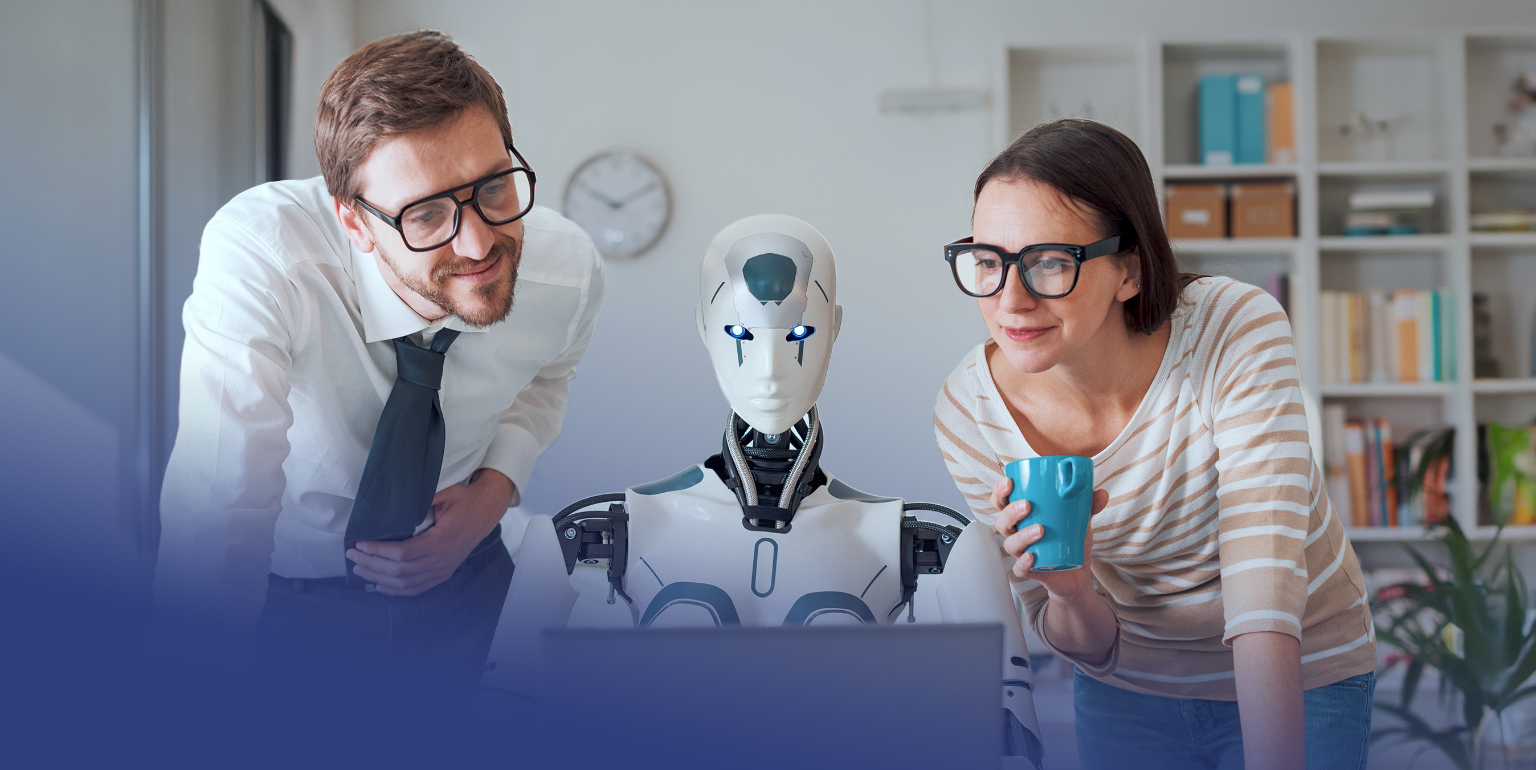
- Improving internal efficiency with the support of AI
Another clear trend is the strong focus on improving the efficiency of internal operations across organizations. Companies are actively looking for ways to achieve more with fewer resources. In this context, AI is becoming a practical tool rather than an experiment.
“Today we see strong pressure in the market to increase the efficiency of internal activities, particularly through the use of AI. Organizations are addressing both simple processes aimed at saving time and human capacity, allowing people to focus on higher-value activities, as well as exploring entirely new trends where companies seek to identify new niche opportunities in the market,” says Marek Opava, Partner and CEO at Greyson.
AI is most commonly applied in areas such as:
- decision support and analytics,
- automation of routine processes,
- data processing and data cleansing,
- support for internal teams (e.g. HR, finance, operations).
The key factor is ensuring that AI is used purposefully, securely and in a way that brings real value rather than being adopted merely for the sake of technology.
- Continued automation and digitalization of client processes
Automation and digitalization of client processes are not new concepts in 2026. However, companies are continuing to invest in these initiatives with much greater intensity and with a stronger focus on return on investment.
Organizations are further investing in the automation and digitalization of client processes, often again leveraging AI. The main objectives are to accelerate client service, reduce error rates and optimize costs over the long term.
In practice, this includes initiatives such as:
- digitalization of onboarding processes,
- automated processing of client requests,
- intelligent workflows built on client data,
- better integration between front-office and back-office systems.
A realistic perspective instead of technological hype
In our view, 2026 will not be about discovering “miracle technologies.” Instead, it will be about the thoughtful and systematic use of tools that already exist – particularly AI, automation and modern data platforms.
Companies that can approach these trends pragmatically and align them with their business objectives will build a solid foundation for sustainable growth. This is exactly where Greyson sees its role: helping clients navigate change efficiently, securely and with long-term value.